How AI Is Changing Pump Selection and Quoting
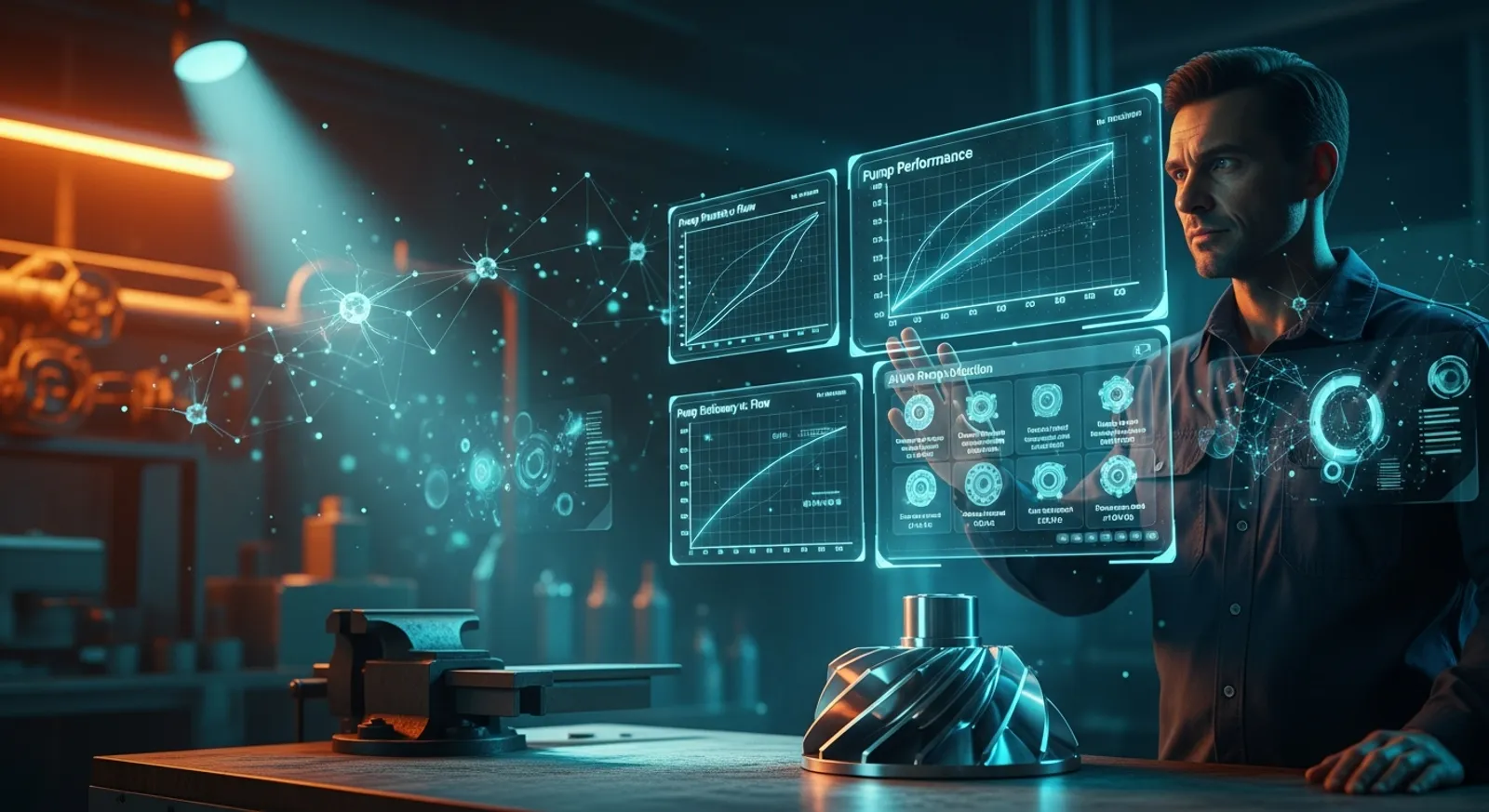
Every software category eventually gets the AI treatment, and pump selection is no exception. The pitch is seductive: describe the application in plain language, and the system hands back the perfect pump with a finished quote attached. The reality is more useful and more grounded than that, and it pays to understand the difference before you buy into anyone's demo.
AI is already changing how pumps get selected and quoted. It is just doing it in narrower, more practical ways than the marketing implies. The manufacturers getting value from it are the ones who treat it as a sharp tool for specific jobs, not a replacement for engineering judgment.
What AI is actually good at in pump selection
The strongest use today is narrowing the field fast. Given a duty point, a fluid, and a set of constraints, a well-trained model can sort a large catalog and surface the handful of candidates worth serious attention in seconds. That is work that used to take an application engineer real time, and the model does not get tired on the fortieth selection of the day.
AI is also good at catching the obvious mistakes before they leave the building. A model that has seen thousands of past selections can flag a duty point sitting far off the best efficiency point, a material that does not suit the fluid, or an NPSH margin that looks thin. It does not have to be perfect to be valuable here. It just has to catch the errors a rushed human would miss.
The third strength is drafting. Pulling together the boilerplate of a quote, the standard scope language, the typical options for a given pump family, is repetitive work that a model handles well, leaving the engineer to focus on the parts that need a brain.
Where human engineers still win
AI struggles exactly where pump selection gets interesting. The messy application with an unusual fluid, the customer who describes their system inaccurately, the duty point that is really a range because the process swings through the day. These are judgment calls, and judgment is built on experience the model does not have.
A seasoned application engineer also knows things that never made it into a database. They know which customer always under-reports their suction conditions, which installation runs hot, which competitor's pump the customer is secretly comparing against. That context shapes a good selection and it lives in people, not data.
The right mental model is a fast, tireless assistant that does the first pass and flags risks, with an engineer making the final call. Removing the engineer is not the goal. Freeing the engineer from the routine eighty percent so they can spend their attention on the hard twenty percent is the goal.
Cleaning up the data AI depends on
Here is the part the demos skip. AI is only as good as the data underneath it, and most pump manufacturers are sitting on selection logic spread across spreadsheets, tribal knowledge, and a sizing tool that one person maintains. Point a model at messy, contradictory data and it will produce confident, messy answers.
The work of getting your configuration rules, your real pricing, and your selection criteria into a clean, structured form is not glamorous, but it is the foundation. Manufacturers who do that groundwork get useful AI. The ones who skip it get an expensive way to generate plausible nonsense.
The encouraging news is that this groundwork pays off even without AI. Clean, codified selection rules make your quoting faster and more consistent on their own. AI is the upside on top of work that is worth doing anyway.
What this means for your engineering team
The fear that AI will replace application engineers gets the dynamic backwards. The scarce resource at most pump manufacturers is experienced engineering attention, and routine selections burn it up. Handing the routine work to a model gives your best people more room to do the work only they can do.
It also softens the knowledge cliff. When a senior engineer retires, a well-built system that has captured how selections are made keeps some of that expertise in the business. The model does not equal the person, but it beats a blank spreadsheet and a panicked search for whoever might remember the answer.
Getting started without overpromising
Start with a contained, high-volume use case where errors are cheap to catch, like first-pass selection on a common pump family. Keep an engineer in the loop on every result, and track how often the AI suggestion matches what the engineer would have chosen. That number tells you whether to widen the scope.
Resist the urge to announce that AI now runs your quoting. It does not, and the gap between the promise and the reality will erode trust with both customers and your own team. Adopt it quietly, prove it on real work, and let the results make the case.
See MangoCPQ in action
Want to see what this looks like with your products and your pricing? Book a 30-minute walkthrough.